What Makes Pile Removal Equipment Truly Effective?
22
Sep
What Makes Pile Removal Equipment Truly Effective?
Removing a structural pile is not simply a matter of applying enough force. Before selecting equipment, we must consider the pile material, diameter, reinforcement, location, water depth, and available access. When we evaluate Pile removal equipment, we focus on how each factor affects the cutting process. This approach helps us match the equipment to the project’s actual demands rather than choosing machinery based only on size or power.
We also understand why contractors researching Hydraulic pile cutters for sale need more than a product specification sheet. They need equipment that fits the structure and the working environment. A hydraulic cutter designed for reinforced concrete piling may have very different capabilities from one intended for cutting production tubing and structural steel pipe. Making that distinction early can support better project planning and equipment selection.
Why does pile removal require specialized equipment?
Piles are structural components designed to remain firmly in place. Removing them can therefore present a difficult combination of concrete, steel, reinforcement, and limited access. A conventional cutting method may not suit every project, particularly when the pile extends below the waterline.
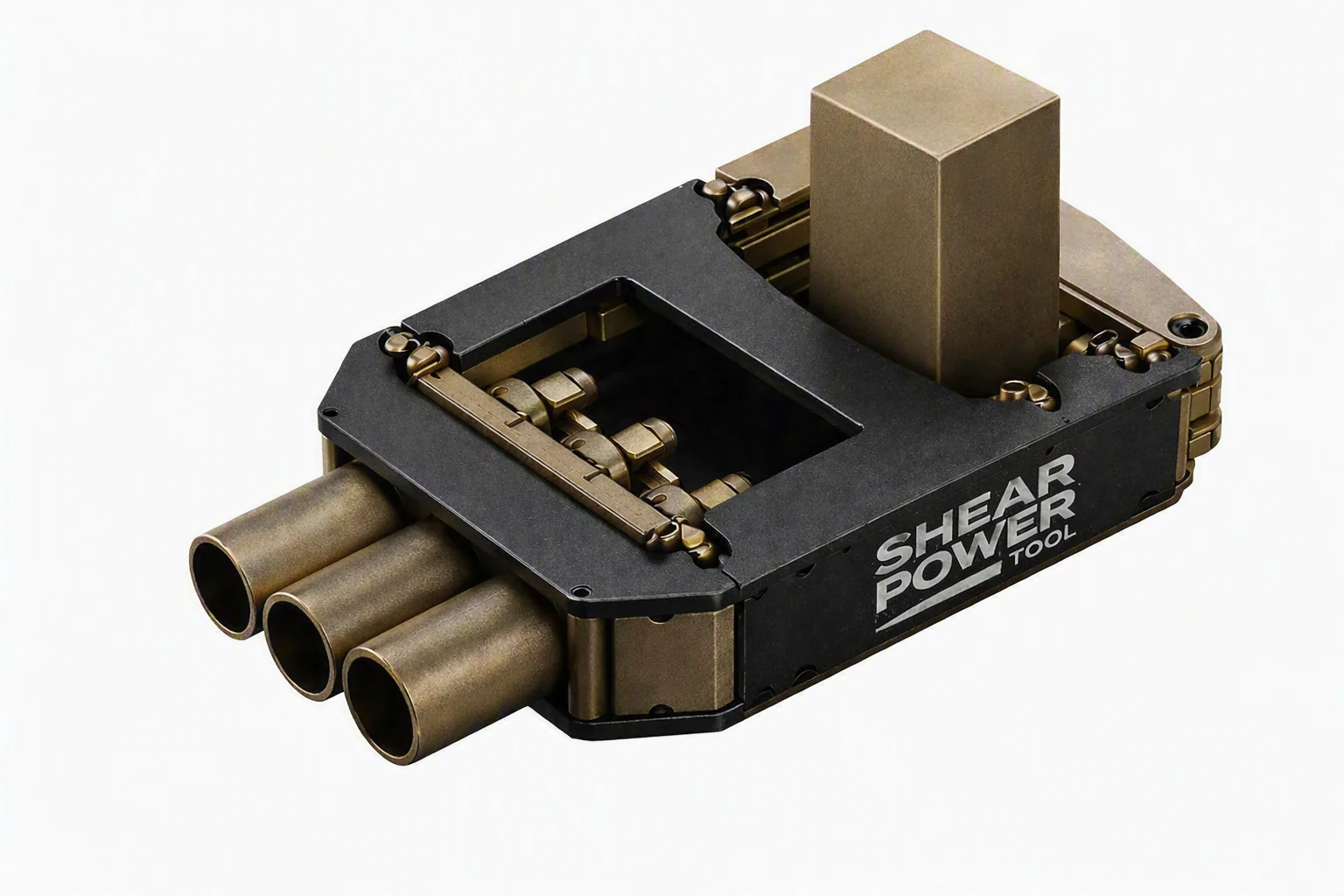
We use a different perspective when considering hydraulic cutting. Instead of treating the pile as a simple material to be cut, we consider the complete cutting environment. Hydraulic cylinders generate concentrated force that drives a cutting blade through the target structure. The frame, blade design, hydraulic capacity, and deployment method all contribute to the cutting process.
This application-based approach becomes especially important for bridge, dock, pier, and marine offshore decommissioning projects.
How do we determine the right cutter size?
We start with the material’s dimensions and composition. Pile diameter is one of the most important factors because the cutter must have enough capacity and hydraulic forces to address the intended application.
Our range includes different hydraulic shear sizes for varying pile and pipe dimensions. For example, our 24-inch pile cutter is designed for cutting reinforced concrete piling up to 24-inch diameter in various configurations. Our 36-inch model is intended for larger reinforced concrete and steel-pile applications.
We also offer larger systems for projects involving substantially larger structural components. Our 48-inch and 54-inch shears give us a full range of capabilities to match each application and task.
Can hydraulic cutters be used below the waterline?
Yes, specialized hydraulic cutting systems can support subsea pile and pipe cutting when designed for underwater conditions.
We recognize that underwater work introduces additional considerations. Equipment may require subsea seals, suitable hydraulic components, remote operation, and a deployment method compatible with the project.
All of our equipment includes systems designed for below-water applications. Our infrastructure models are rated for depths of up to 1,000 feet, while our large offshore decommissioning cutter has a listed depth rating of up to 3,000 feet. These capabilities show why operating depth matters when selecting Pile removal equipment.
Remote controls can also operate functions such as the gate, locking mechanism, and cutting blade. This gives operators control of key equipment functions above and below the water line from a safe operating distance.
What materials can hydraulic pile cutters handle?
The material being removed determines the cutting requirements. We design our equipment range around applications involving reinforced concrete piling, steel-jacketed piling, conductor pipe, production tubing, and structural steel pipe.
For reinforced concrete, the cutting process must account for embedded steel reinforcement. Steel pipe presents a different resistance profile and may require equipment matched to its diameter and wall thickness.
When contractors compare Hydraulic pile cutters for sale, we recommend looking beyond the advertised hydraulic force. The blade configuration, cylinder capacity, cutter dimensions, material requirements, and operating conditions all matter.
Why is infrastructure renewal creating more demand for removal equipment?
Infrastructure maintenance and replacement continue to create substantial demand for specialized construction and demolition equipment. According to the Federal Highway Administration’s 2025 National Bridge Inventory, the United States has more than 624,000 highway bridges, with more than 41,000 classified as being in poor condition.
That figure does not mean every bridge requires pile removal. However, it illustrates the scale of the nation’s infrastructure maintenance challenge. As older structures are replaced or demolished, contractors need practical methods to remove structural piling originally engineered for long-term structural support.
We see similar requirements in marine construction and offshore decommissioning, where structural components may need to be removed from difficult locations.
What should we consider before buying or selecting equipment?
We recommend evaluating several factors together rather than focusing on one specification. These include pile diameter, material type, reinforcement, wall thickness, cutting location, water depth, equipment weight, hydraulic power, deployment method, and remote-control requirements.
A practical selection process can therefore include these considerations: identify the material, measure the structure, determine the operating environment, establish the required cutting capacity, confirm available hydraulic power, and select a pile cutter that fits the deployment equipment.
This process can reduce the risk of choosing equipment that is either unsuitable for the application or unnecessarily large for the task.
How should we approach a demanding pile removal project?
We believe effective pile removal starts with accurate project requirements. The cutter should serve the application, not the other way around. Once we understand the material, dimensions, environment, and operating conditions, we can make a more informed equipment decision.
For contractors considering Pile removal equipment, hydraulic shears provide a specialized approach to structural pile cutting. Shear Power Services International offers hydraulic pile cutters and related systems for applications involving reinforced concrete piling, steel structures, pipe, and subsea cutting. For those evaluating Hydraulic pile cutters for sale, our equipment range provides a practical starting point for matching hydraulic cutting technology to demanding pile removal requirements.
FAQs
- What is pile removal equipment used for?
Pile removal equipment cuts or extracts structural piles during demolition, replacement, marine construction, and infrastructure projects.
- Can hydraulic cutters remove reinforced concrete piles?
Yes, properly sized specialized hydraulic cutters can cut reinforced concrete piles containing embedded steel reinforcement.
- Can pile cutters operate underwater?
All of our hydraulic pile cutters are specifically designed for above- and below-water applications and include components suited for underwater operation.
- How do I choose a hydraulic pile cutter?
Consider pile diameter, material, reinforcement, cutting depth, operating environment, hydraulic capacity, and equipment deployment requirements.
- Why does cutter size matter for pile removal?
Cutter size determines the range of pile diameters and materials the equipment can effectively remove.